
Postpartum Meal Trains
Making the Most of Your Postpartum Meal Train
Food is love made visible. And in the weeks after a baby arrives, there may be no greater act of love than a warm, nourishing meal delivered to the door.
The meal train has become a beloved postpartum tradition — and for good reason. When a new mother is healing, feeding a baby around the clock, and running on broken sleep, the last thing she should have to think about is what's for dinner. A well-organized meal train can take that weight completely off her plate (pun intended) and replace it with something deeply nourishing.
But a truly great meal train doesn't just happen. It takes a little intention — from both the mama setting it up and the community showing up for her. Here's how to make it count.
For the Mama: How to Set Your Meal Train Up for Success
Accepting help can feel vulnerable, especially for mothers who are used to being the ones doing the caring. But receiving a meal train graciously — and strategically — is one of the best things you can do for your recovery. Here's how to make it work for you.
Set it up before baby arrives. Don't wait until you're in the thick of newborn days to organize this. Ask a trusted friend or your partner to set up a meal train on your behalf using a free platform like MealTrain.com or TakeThemAMeal.com. Get it running before your due date so it's ready to go the moment baby is here.
Be specific about your needs. This is not the time to be vague. The more clearly you communicate your preferences, the more useful the meals will be. Your meal train page should include:
- Dietary preferences or restrictions (gluten-free, dairy-free, vegetarian, etc.)
- Foods you're craving or that sound nourishing to you
- Foods to avoid — including anything that might affect breast milk or your digestion
- Portion guidance (are you feeding a partner too? Do you want extra for freezing?)
- Drop-off instructions, especially if you'd prefer a no-knock delivery while baby sleeps
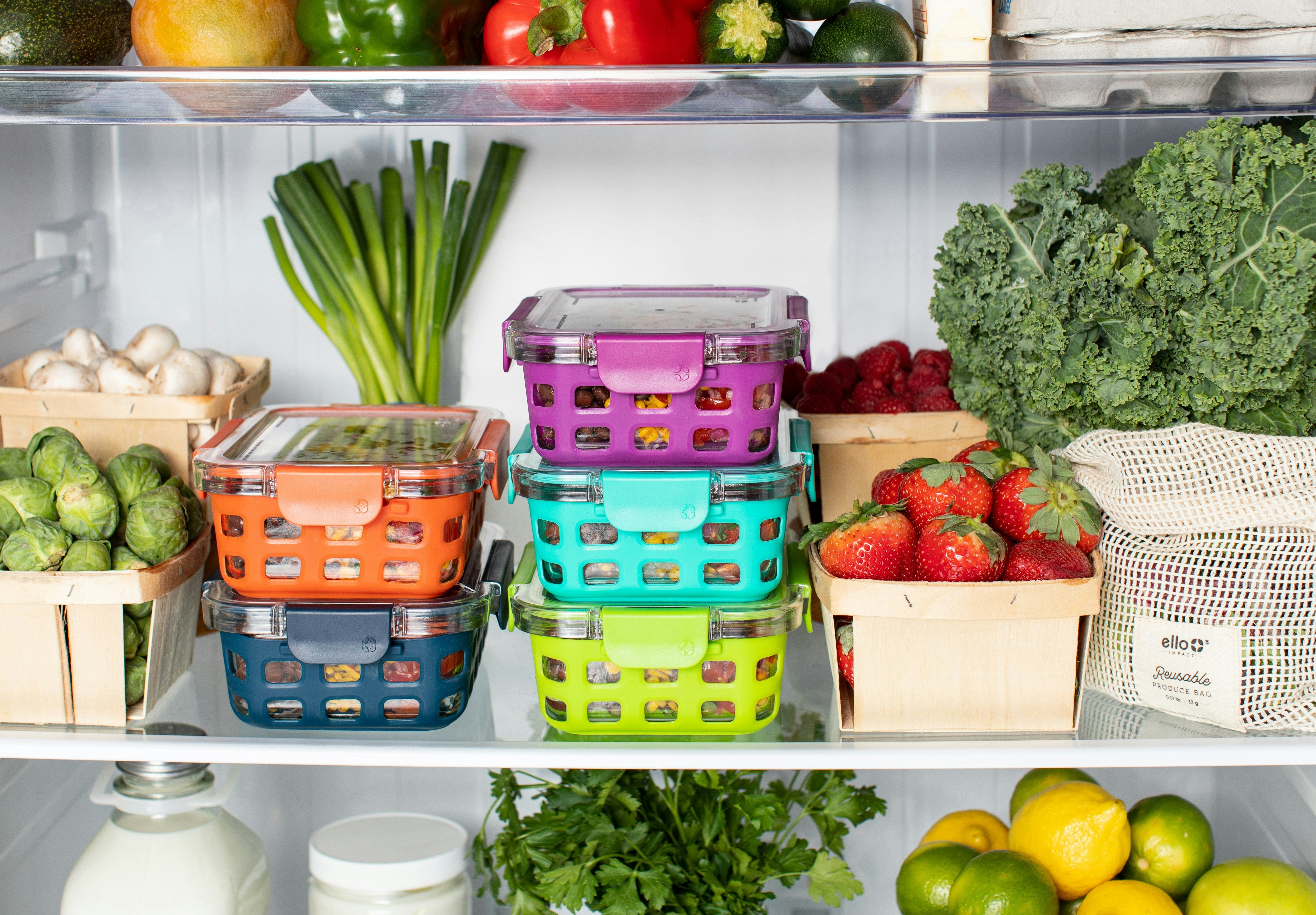
Ask for freezer meals too. Fresh meals are wonderful, but freezer-friendly dishes extend your support far beyond the first two weeks. Soups, stews, casseroles, and grain bowls all freeze beautifully. Having a stash in the freezer for week four or six — when the initial wave of help has faded — can be a lifesaver.
Think beyond dinner. Breakfast and lunch are just as important as dinner, and often more overlooked. Don't be shy about asking for things like nourishing snacks, overnight oats, lactation cookies, smoothie ingredients, or a batch of postpartum energy balls. Postpartum hunger — especially when breastfeeding — is real and relentless.
Let go of the thank-you guilt. A text message is enough. You are not obligated to host, tidy up, or perform gratitude while healing from birth. The people who love you want to feed you — let them.
For Friends & Family: How to Show Up Well
If someone you love has just had a baby, bringing food is one of the most meaningful things you can do. But a few thoughtful adjustments can take your contribution from good to genuinely helpful.
Check the meal train first. Before you decide what to make or buy, look at the meal train page. It will tell you exactly what mama needs, when slots are open, and what's already been covered. Following these details matters more than you might think — a third lasagna is kind, but a pot of ginger bone broth or a tray of nourishing snacks might be exactly what she's missing.
Prioritize warming, easy-to-digest foods. Postpartum bodies are doing incredible work — healing tissue, producing milk, rebalancing hormones. In many traditional cultures, new mothers are fed warm, cooked, easily digestible foods for this reason. Think soups and broths, slow-cooked stews, soft grains like rice and oats, roasted vegetables, and foods rich in healthy fats and iron. Cold, raw, or heavily processed foods are harder on a healing gut.
Make it drop-and-go. Unless you've been explicitly invited to visit, treat your delivery as a quiet act of service. Text when you're on your way, leave the food at the door, and resist the urge to linger. New mothers often feel pressure to entertain guests even when utterly exhausted. Give her the gift of not having to.
Include simple instructions. Label your dish with what it is, any allergens, how to reheat it, and whether it's freezer-friendly. A sticky note on the lid takes thirty seconds and makes a world of difference.
Think about the weeks ahead, not just the first few days. The first week typically brings a rush of support. But by week three or four, the meals taper off — right when the initial adrenaline of new parenthood often does too. If you want to make a lasting impact, sign up for a later slot on the meal train, or check in a few weeks after baby arrives and offer to bring something then.
A Note on Postpartum Nutrition
What a new mother eats matters enormously — for her healing, her energy, her milk supply, and her mood. The postpartum period is a time for deep replenishment, and food is one of the most powerful tools for that.
Some of the most nourishing foods to request or prepare for a new mama include:
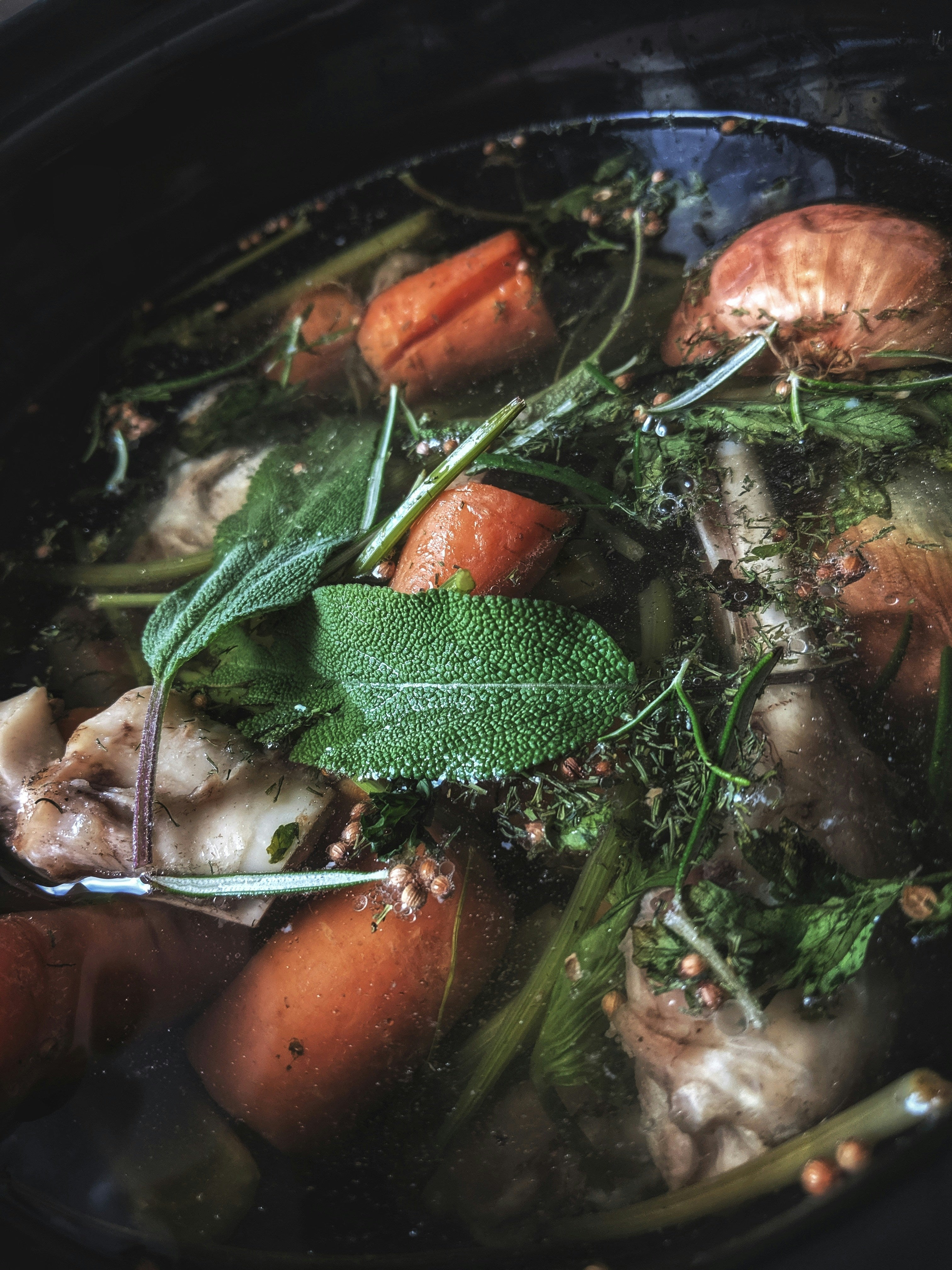
- Bone broth — rich in collagen, gelatin, and minerals to support tissue healing
- Iron-rich foods — lentils, grass-fed beef, dark leafy greens to replenish blood loss from birth
- Healthy fats — avocado, salmon, eggs, nuts and seeds for hormonal balance and brain health
- Warming spices — ginger, turmeric, and cinnamon to support circulation and reduce inflammation
- Oats and complex grains — steady energy and support for milk supply
A meal train, done well, is more than logistics. It's a community wrapping its arms around a new family and saying: we see you, we've got you, eat something warm.
Whether you're the one receiving or the one giving — that kind of care is something none of us should have to do without.
Looking for nourishing postpartum gifts to add to a meal train or registry? Browse our postpartum collection at Mama Thyme — thoughtfully curated to support healing, replenishment, and the beautiful, tender work of new motherhood.

Comments