
Bone Broth for Postpartum Recovery: Benefits and How to Use It
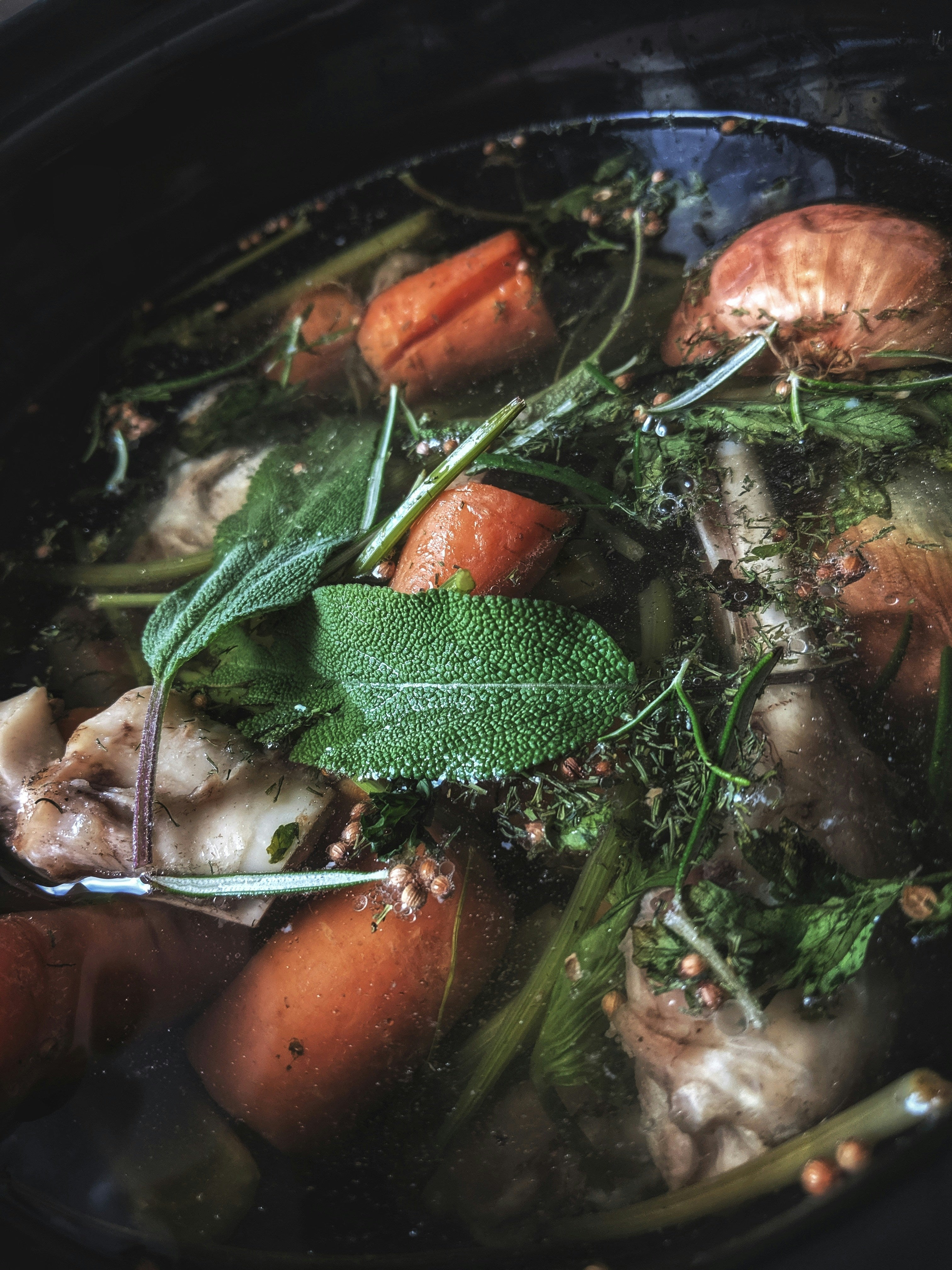
Long before protein powders and postpartum supplements, mothers around the world were handed a warm bowl of broth. This wasn't just a thoughtful gesture — it was medicine.
Bone broth has been used across virtually every traditional culture as a foundational food for healing after birth. In Chinese postpartum practice, pork bone broth is a staple. In Mexican tradition, caldo de pollo is among the first foods offered to a new mother. In Ayurvedic postpartum care, warm, easily digestible broths form the cornerstone of the early recovery diet. The wisdom is consistent across cultures and centuries: when a body is healing, warm nourishing liquid is one of the best things you can give it.
Modern nutritional science has caught up. Here's why bone broth belongs in your postpartum recovery plan.
What Makes Bone Broth So Nourishing
When bones, connective tissue, and cartilage are simmered over a long period, they release a rich array of nutrients into the liquid. What you get in a good bone broth includes:
Collagen and gelatin.
Collagen is the most abundant protein in the human body — and pregnancy, birth, and postpartum place enormous demand on your body's connective tissue. Whether you're healing perineal tears, a C-section incision, abdominal muscle separation (diastasis recti), or simply the general structural changes of pregnancy, collagen is a key building block for that repair. When collagen breaks down during simmering, it becomes gelatin, which is highly bioavailable and gentle on the digestive system.
Glycine.
This amino acid supports liver detoxification, promotes deeper sleep, and has a gentle calming effect on the nervous system — all especially relevant in the postpartum period.
Proline and hydroxyproline.
These amino acids are specifically involved in wound healing and skin repair.
Minerals.
Long-simmered bones release calcium, magnesium, phosphorus, and potassium into the broth. The exact amounts vary but contribute to the overall mineral density of the diet.
Glutamine.
An amino acid that supports gut lining integrity — particularly relevant postpartum, when digestive disruption, stress hormones, and changes in the microbiome can compromise gut health.
Postpartum Benefits Worth Knowing
Tissue healing.
The collagen and proline in bone broth directly support the repair of tissues stretched, strained, or cut during pregnancy and birth.
Gut support.
The gelatin in bone broth coats and soothes the gut lining, supporting digestion and nutrient absorption at a time when both can be compromised.
Gentle protein.
For mothers in the early days postpartum when appetite is low and digestion is sluggish, bone broth offers easily digestible protein without the heaviness of a full meal.
Hydration.
Breastfeeding significantly increases fluid needs. Warm broth counts toward hydration while also delivering nourishment — a two-for-one that matters when you're exhausted and forgetting to drink enough water.
Nervous system support.
The glycine content has a genuinely calming effect, making a warm mug of broth before bed a lovely ritual for winding down in the evening.
How to Use Bone Broth Postpartum
Drink it like a warm beverage.
Heat and season with a little salt, perhaps a slice of ginger or a pinch of turmeric. Sip from a mug throughout the day. This is the simplest and most traditional approach.
Use it as the base for soups and stews.
Any time a recipe calls for water or stock, use bone broth instead. Lentil soup, chicken soup, vegetable stew — all become more nourishing with a quality broth as their foundation.
Cook grains in it.
Rice, oats, and quinoa cooked in bone broth absorb the flavor and gain nutritional depth.
Add it to smoothies.
A small amount of cooled, collagen-rich broth (or a collagen peptide powder derived from it) can be blended invisibly into a smoothie for an effortless protein and collagen boost.
Making vs. Buying
Homemade bone broth made from quality bones (ideally grass-fed beef, pasture-raised chicken, or wild fish) is the gold standard. A slow cooker or Instant Pot makes it easy — add bones, water, a splash of apple cider vinegar (which helps draw minerals from the bones), aromatics like onion and garlic, and simmer for 12–24 hours. Freeze in portions before baby arrives so it's ready when you need it most.
Store-bought broth has improved enormously. Look for products that gel when chilled (a sign of real gelatin content), are made from quality sourced bones, and are low in sodium. Liquid broths in cartons or jars are more likely to be nutritionally meaningful than shelf-stable powder packets. Some of our favorites are Simmering Bone, Brodo, Kettle & Fire and Azuluna.
This is also an easy item to add to your meal train for someone to make homemade or buy. You can read more about optimizing your meal train here.
Bone broth is not a trend. It's an ancient, cross-cultural food that has supported recovering mothers for thousands of years. In the overwhelm of new motherhood, it is one of the simplest, most accessible, and most deeply nourishing things you can offer your body.
At Mama Thyme, nourishment is at the heart of everything we curate. Visit our postpartum collection for thoughtfully chosen products to support your healing.


Comments