
Are herbs safe during pregnancy and postpartum?

Trusting Ancient Wisdom Through Pregnancy, Postpartum & Breastfeeding
Long before clinical trials and pharmaceutical guidelines, mothers turned to the earth. Herbs have been used across every culture, in every corner of the world, to support women through pregnancy, birth, and the tender weeks that follow. That wisdom didn't disappear, it just got quieter.
If you've ever Googled whether an herb is safe during pregnancy, you've likely been met with the same phrase: "not enough research to determine safety." It can feel scary. But here's some important context: that disclaimer exists for almost everything that hasn't been put through a randomized controlled trial — and very few herbs ever will be, simply because there's no financial incentive to fund that research, and obviously it’s not ethical to test on pregnant or breastfeeding mothers.
What we do have is something far older: thousands of years of use by midwives, herbalists, healers, and mothers across generations. That's not nothing. In many ways, it's everything.
This post is not meant to replace medical guidance. But it is meant to offer a more complete picture, one that honors both modern caution and ancient knowing, and trusts that you, as a mother, are capable of making informed decisions for your own body.
The "Not Enough Research" Problem
Modern medicine defaults to the precautionary principle: if something hasn't been rigorously studied in pregnant or breastfeeding populations, it's flagged as uncertain. This is understandable. Pregnant women are largely excluded from clinical trials, which means the data gap is enormous.
But absence of evidence is not evidence of harm.
Many of the herbs labeled "avoid during pregnancy" on mainstream health websites are culinary herbs used in cooking every single day — thyme, rosemary, sage, oregano. At the amounts used in food or gentle teas, these herbs pose no known risk. It's only at very high therapeutic doses that certain herbs warrant caution.
This is why context and dosage matter so much. And why working with a knowledgeable herbalist — someone trained in the nuance of plant medicine — can be far more useful than a blanket warning on a website.
Herbs to Genuinely Avoid
There are some herbs that are a clear no during pregnancy and breastfeeding, and it's worth knowing them:
-
Blue cohosh — can stimulate uterine contractions; not appropriate during pregnancy
-
Pennyroyal — historically used to induce miscarriage; avoid entirely
-
Tansy — toxic in high doses; avoid during pregnancy
-
Wormwood — contains compounds that can be harmful; avoid
-
High-dose licorice root — in large amounts, may affect hormones and blood pressure
-
Sage, rosemary, and thyme in large therapeutic doses — fine in culinary amounts, but avoid as concentrated supplements or tinctures during pregnancy.
When in doubt, lean on food-grade use rather than concentrated extracts, and consult an herbalist for anything you're unsure about.
Herbs Traditionally Used & Generally Considered Gentle
These are herbs with long histories of use in pregnancy and postpartum wellness, typically regarded as safe in normal amounts. Many have been used for thousands of years specifically because of their supportive properties for mothers.
During Pregnancy
Red raspberry leaf — perhaps the most well-known pregnancy herb, used traditionally to tone the uterus and support a smoother labor. Often enjoyed as a tea, especially in the second and third trimesters.
Ginger — widely used and well-regarded for easing nausea in early pregnancy. Has a long history of safe use in food and tea form.
Nettle — deeply nourishing, rich in iron, calcium, and magnesium. A wonderful tonic herb for pregnancy that supports overall vitality.
Oat straw — calming and mineral-rich, gentle support for the nervous system during a time of significant change.
Chamomile — used as a calming tea to support both sleep, digestion and nervous system support.
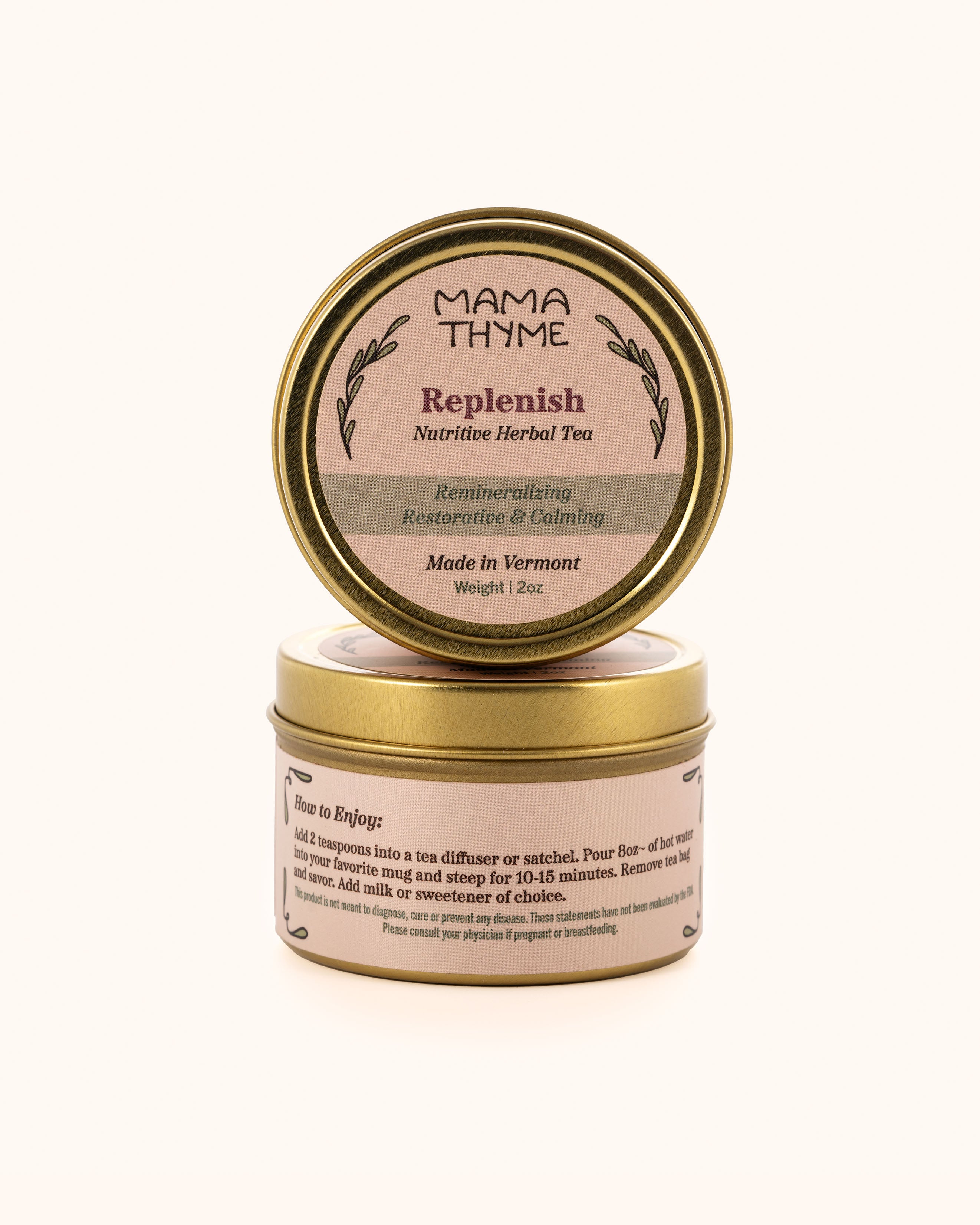
All of these herbs can be found in our Replenish Tea Blend.
Postpartum Recovery
Nettle — continues to shine postpartum, helping to replenish minerals lost during birth and supporting energy levels.
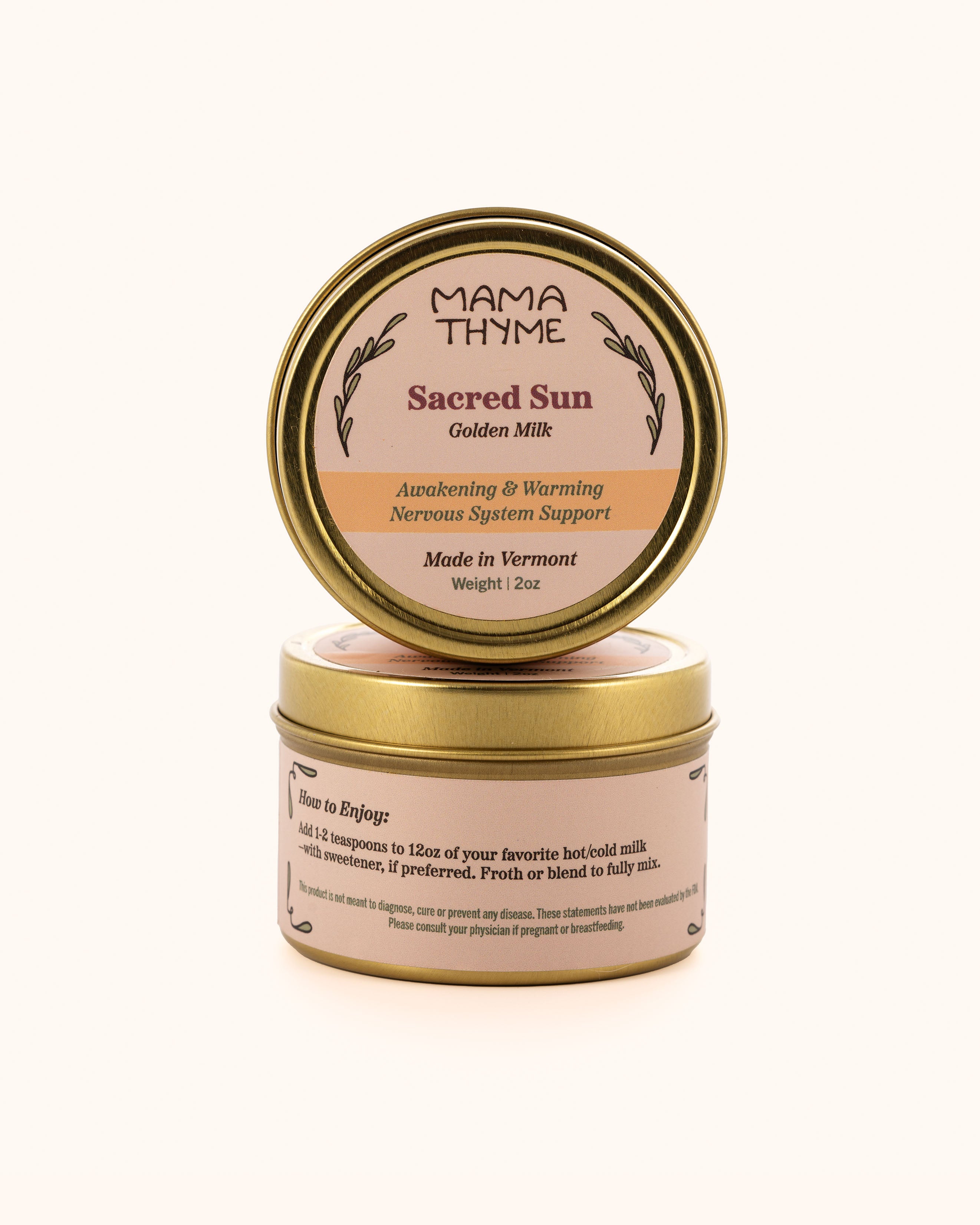
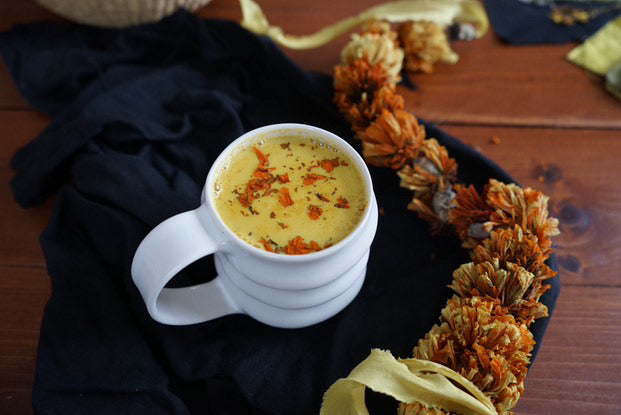
Ashwagandha — an adaptogenic herb used in Ayurvedic tradition for centuries to support energy, mood, and resilience. Generally considered compatible with postpartum recovery, though consult an herbalist if breastfeeding. Find it in our Golden Milk.
Motherwort — traditionally used to ease postpartum anxiety and support emotional balance. Its name says it all.
Rose — gentle, heart-opening, and deeply nourishing to the emotional body. Used in teas, tonics, and body care to support the transition into motherhood.
For Breastfeeding & Lactation
Fenugreek — one of the most commonly used galactagogues (herbs that support milk supply). Has a long history of use among nursing mothers globally, though some women find it affects their supply differently, so start slowly.
Fennel — used traditionally to support milk production and ease digestive discomfort in both mama and baby.
Blessed thistle — often paired with fenugreek, traditionally used to encourage and maintain milk supply.
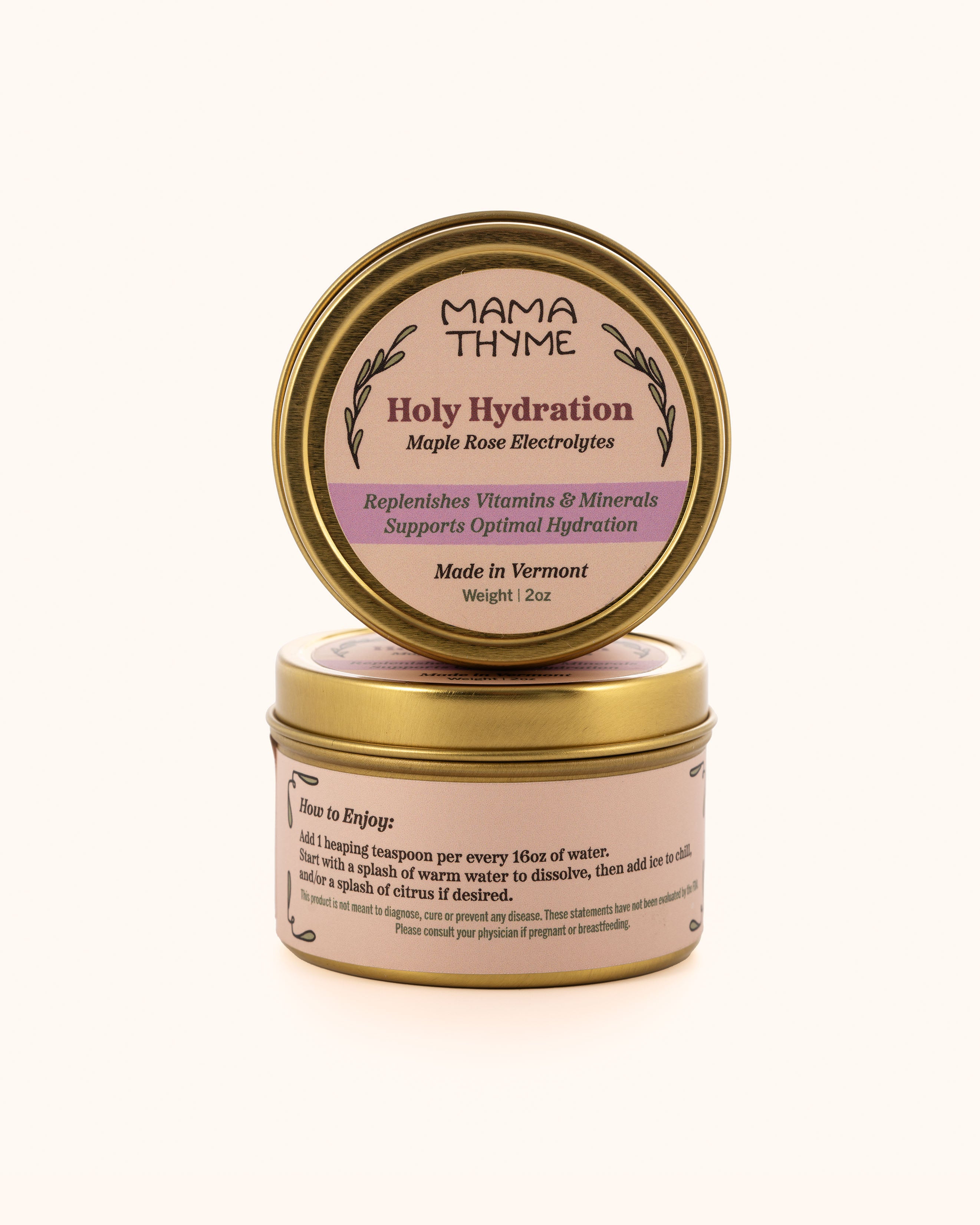
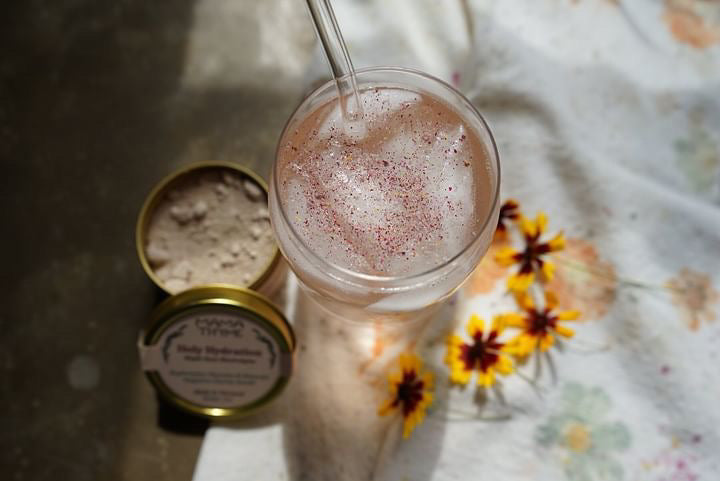
Moringa — used for centuries in many cultures as a lactation supporter and nutritional powerhouse for postpartum mothers. Can be found in our herbal electrolytes and Replenish Tea blend
Shatavari — a revered Ayurvedic herb for women's health and lactation, used for thousands of years to support hormonal balance and milk production. Found here in our Cookie Mix
Working With Your Intuition (And the Right Support)
Here's what we believe at Mama Thyme: you are not fragile. Your body has carried and grown a human being. It knows things.
If an herb has been used for thousands of years by mothers across cultures, and you feel called to it, that pull is worth honoring — alongside doing your own research and, ideally, consulting someone who truly knows plant medicine. A trained herbalist can offer guidance that a quick Google search simply cannot: nuanced, personalized, and rooted in real knowledge of both the plants and your individual circumstances.
Your doctor is an important part of your care team too. But they may not have training in herbal medicine, and "I'm not sure" is different from "it's unsafe." Ask questions. Seek out herbalists. And trust yourself.
Motherhood has always been supported by plants. You're not doing anything radical by returning to that. You're simply remembering something that was always true.
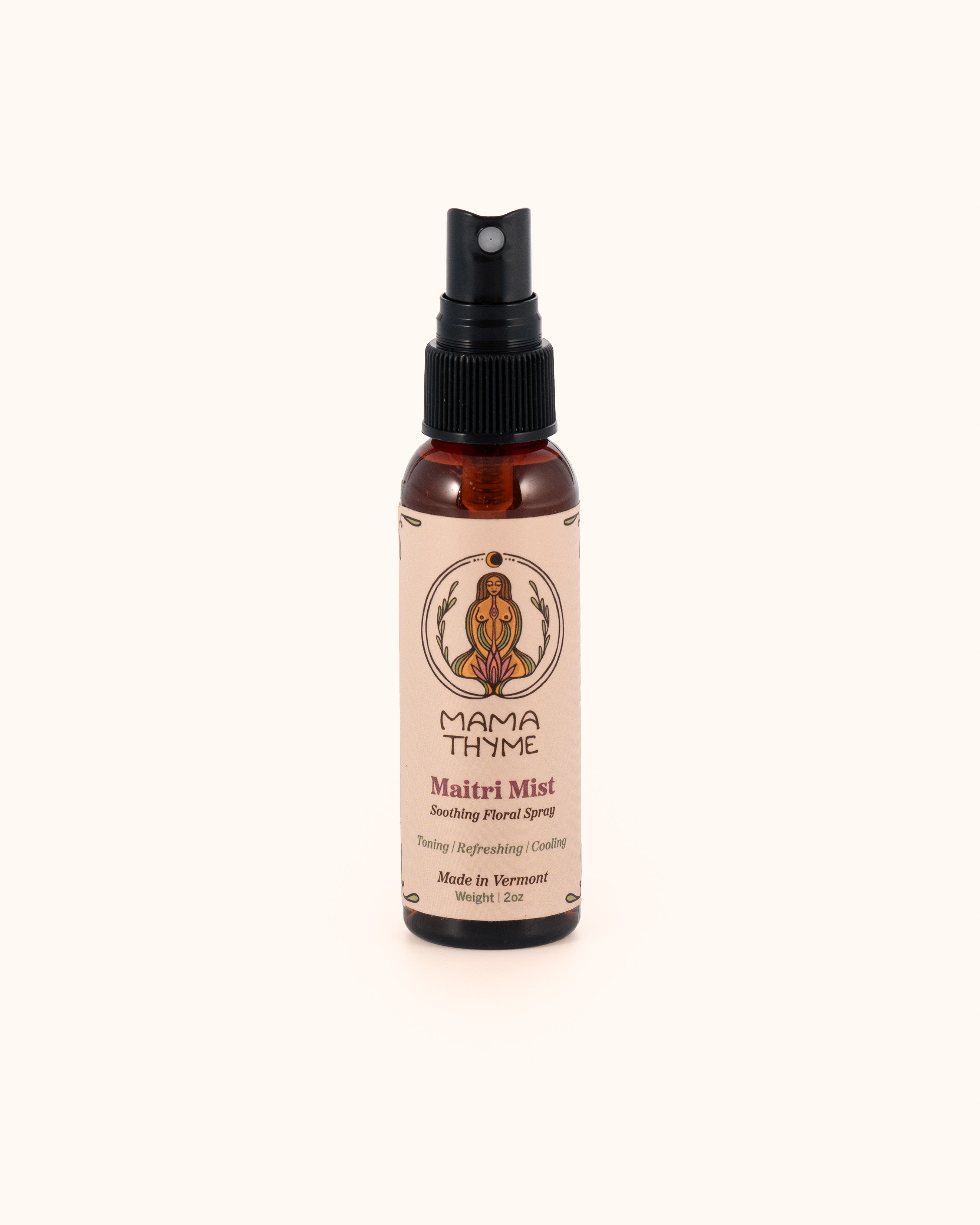
At Mama Thyme, every product in our Herbal Allies collection is carefully curated and reviewed by both an herbalist and a doctor. We believe in the wisdom of plants and the wisdom of mothers — and we're here to support both.




Comments